
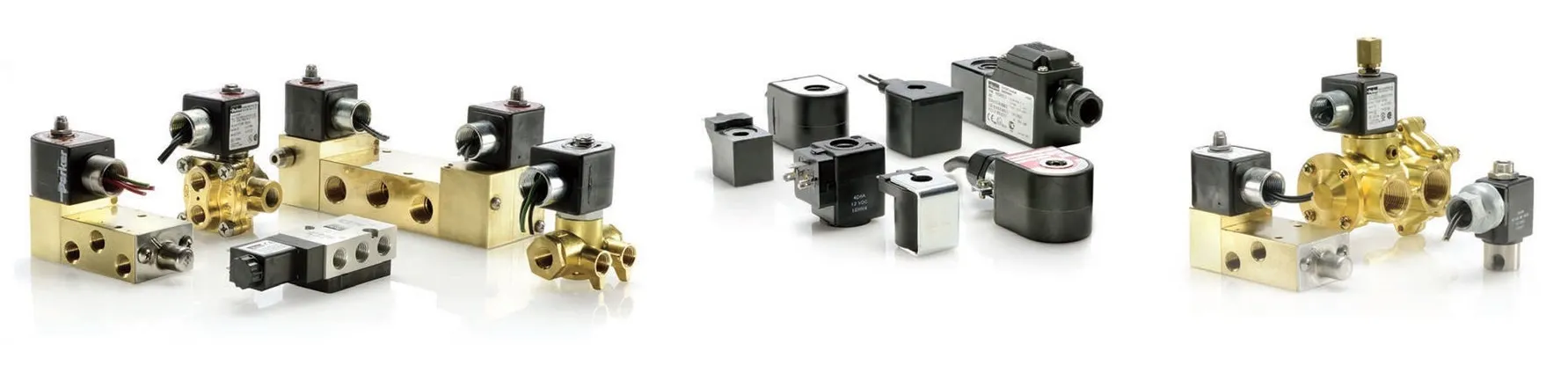
Parker Solenoid Valves | A Century of Fluid Control from Parker Hannifin
About Parker Hannifin
Parker Hannifin was founded in 1917 by Arthur L. Parker in Cleveland, Ohio. After merging with the Hannifin Corporation in 1957, the company took its present name, Parker Hannifin Corporation, and is listed on the New York Stock Exchange (NYSE: PH). Over more than a century, Parker has grown into one of the world's largest manufacturers in motion and control technologies, spanning aerospace, hydraulics, pneumatics, filtration, fluid and gas handling, process control, and sealing and shielding, with products used across industrial automation, energy, transportation and consumer industries worldwide.
In fluid control, Parker has brought together long-established solenoid valve brands such as Skinner, Gold Ring and Lucifer through decades of acquisitions, forming one of the most complete solenoid valve ranges on the market — from general-purpose air, water and oil service to steam, refrigerant, vacuum and explosion-proof applications, there is a standard product for the job.

Parker Solenoid Valve Features
How a Solenoid Valve Works
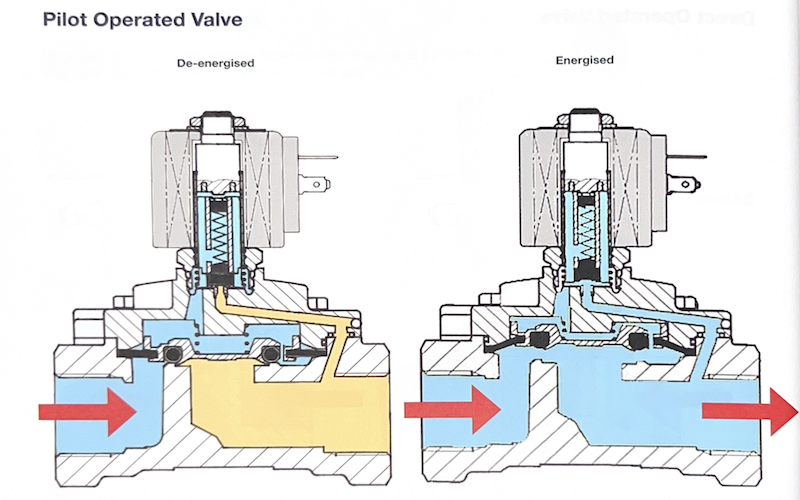
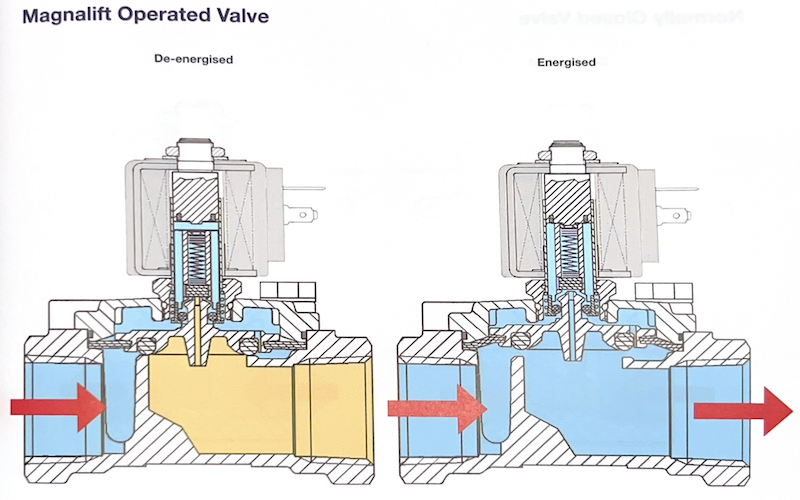
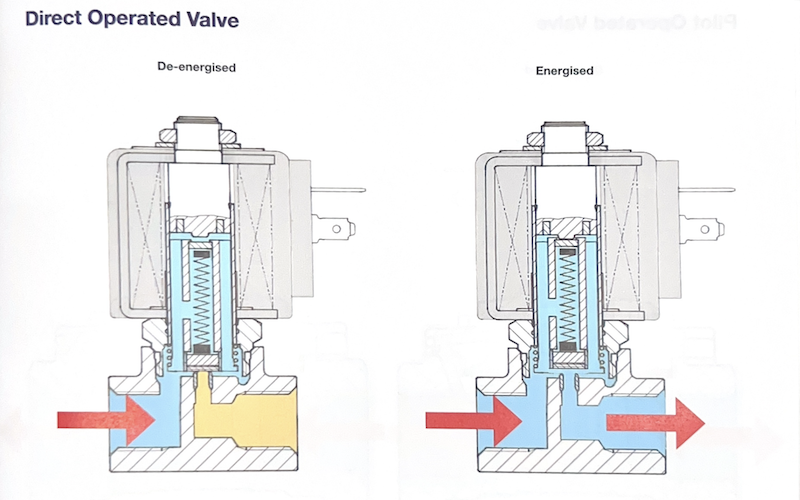
A solenoid valve is an electrically operated fluid switch: when the coil is energized, the magnetic field lifts the plunger to open or close the flow path, and a spring returns the plunger when power is removed. Because it is driven purely by an electrical signal — no air supply or manual operation required — the solenoid valve is the most common component for switching gases and liquids in automated equipment. Parker solenoid valves are known for their modular design, tight shutoff and long service life, with a comprehensive range of standard models that can be selected step by step from media, pressure, port size and voltage.
Direct-Acting and Pilot-Operated
Parker solenoid valves fall into two main operating types:
Direct acting: the plunger opens the orifice directly, independent of line pressure — the valve operates from 0 psi (zero pressure differential), making it suitable for vacuum, low-pressure and small-flow applications.
Pilot operated: a small pilot orifice works with a diaphragm or piston, using the line's own pressure differential to assist opening and closing. This allows a small coil to control larger port sizes and higher pressures — ideal for water, compressed air and steam lines with a steady differential.
Both constructions are fully covered in Parker's range, along with poppet and spool designs for 4-way directional control.
Pilot Operated
Magnalift Operated
Direct Acting
2-Way, 3-Way and 4-Way Configurations
2-way valves: one inlet, one outlet, for simple on/off control. Normally closed (N.C.) and normally open (N.O.) versions are standard — the most common choice for water, compressed air and oil lines.
3-way valves: one inlet, one outlet and one exhaust, used to control single-acting cylinders and to switch small pilot circuits; normally closed, normally open and universal flow patterns are available.
4-way valves: for actuating double-acting cylinders and piloting larger control valves. Brass bodies, multiple mounting positions and a wide choice of coils, with operating pressures up to 150 psi and flow factors around 1.2 Cv — the standard choice for general-purpose directional control.
Body and Seal Materials Matched to the Media
Parker offers a complete set of material combinations, selected according to the fluid:
Body: brass for general water, air and oil service; stainless steel for corrosive fluids, food applications and high-temperature steam.
Seals: NBR for general air, water and light oil; FKM/Viton for oil and higher temperatures; EPDM for hot water and steam; PTFE for chemicals and high-temperature steam.
Within the same series, materials are swapped simply by changing the model code — media compatibility is settled at selection time, with no custom engineering required.
Coils and Electrical Options
Parker solenoid coils are rated for continuous duty with Class F or Class H insulation. Common voltages include AC 110V/220V and DC 12V/24V, with DIN connector, lead-wire and junction-box terminations. For hazardous locations such as petrochemical plants and dusty environments, explosion-proof coils certified to UL/CSA, IEC-Ex, ATEX and TS are available.
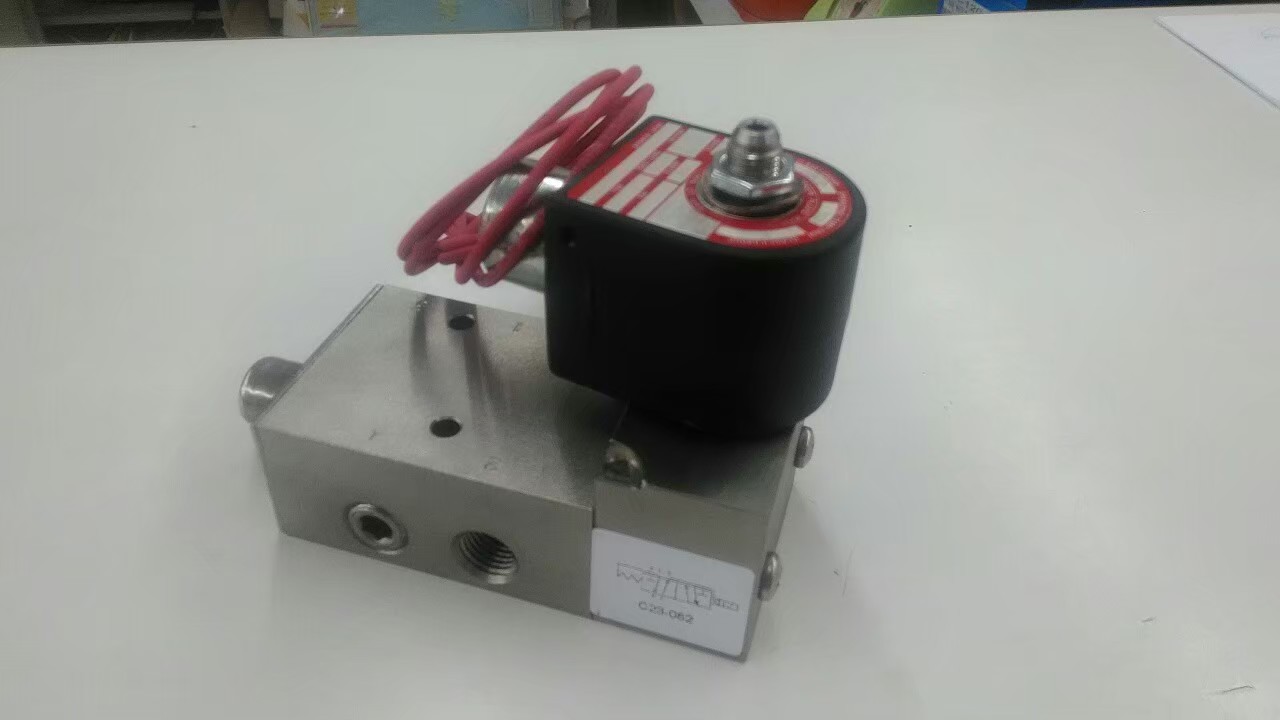
TS explosion-proof solenoid valve with stainless steel body
Applications
Parker solenoid valves are widely used in:
General industrial machinery: compressed air control, water lines, lubrication circuits
Food and packaging machinery: stainless steel bodies with food-grade seals
Boilers and steam equipment: high-temperature seals and steam-rated models
Refrigeration and HVAC: refrigerant-line valves (see also our Lucifer refrigeration valves)
Petrochemical and hazardous locations: explosion-proof coil options
Water treatment: materials matched to chemicals and corrosive fluids
Selection Support
Selecting a solenoid valve means confirming the media, pressure range (including minimum operating pressure differential), port size, flow, voltage and operating environment together. If you have a legacy Parker/Skinner part number on existing equipment, simply send us a photo of the nameplate and we will cross-reference it to the current specification; for new equipment, tell us the media and operating conditions and we will recommend the right series and configuration.
Products on Display
Only some products are listed here for customers to watch, if you need further discussion, you are welcome to contact us.
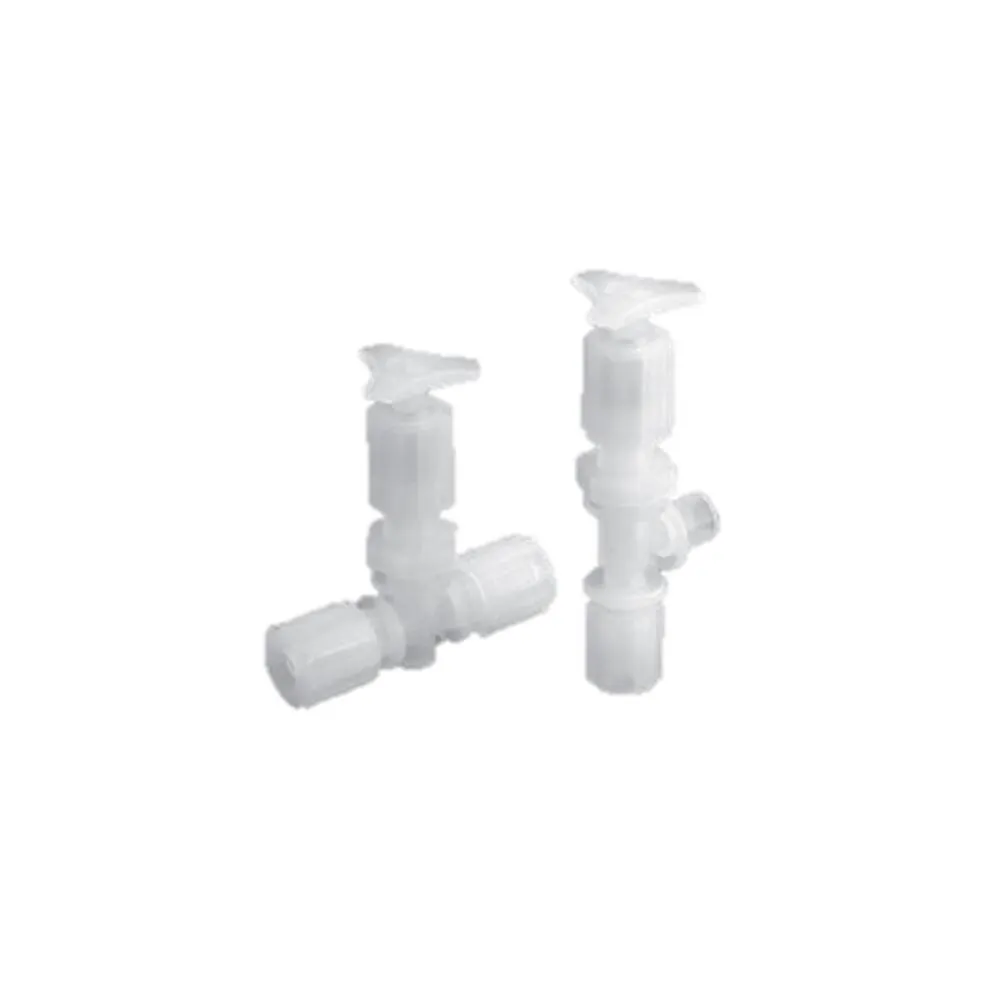
PFA Material Needle Valve
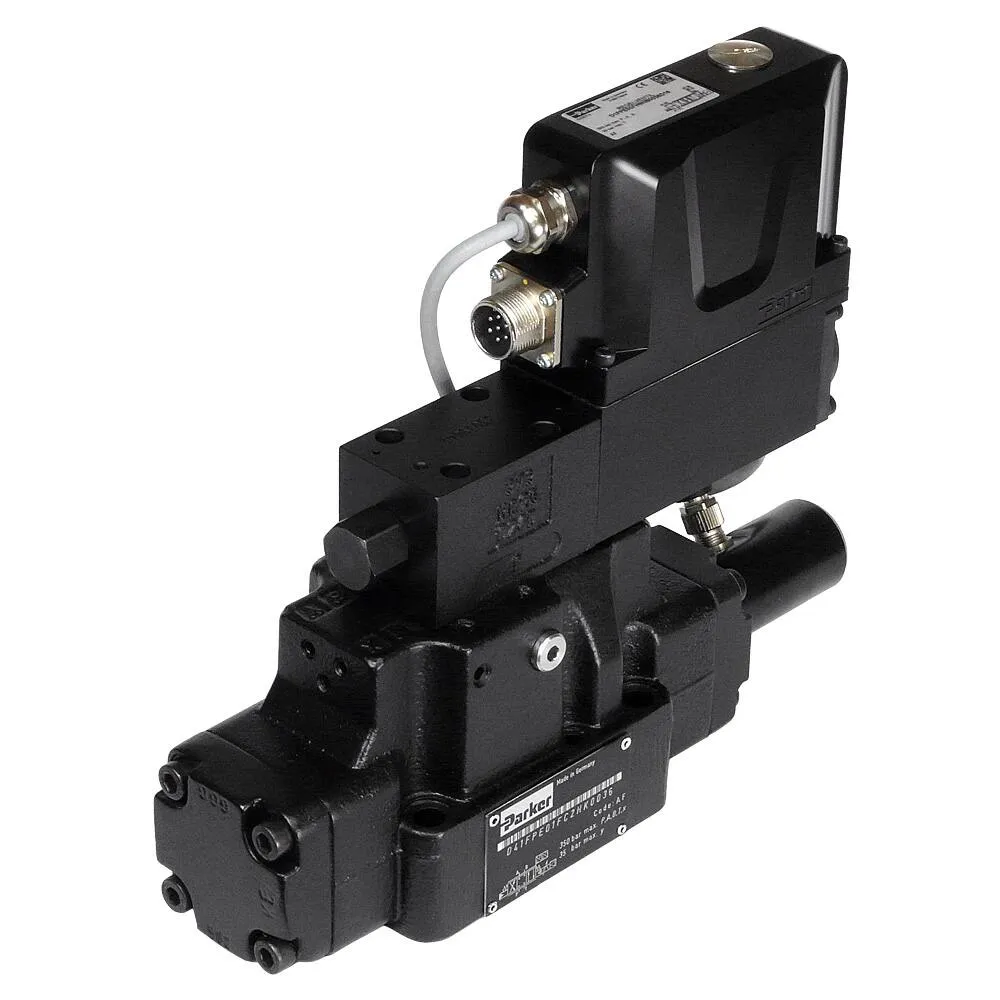
Servo Valves
Pilot operated proportional control valve
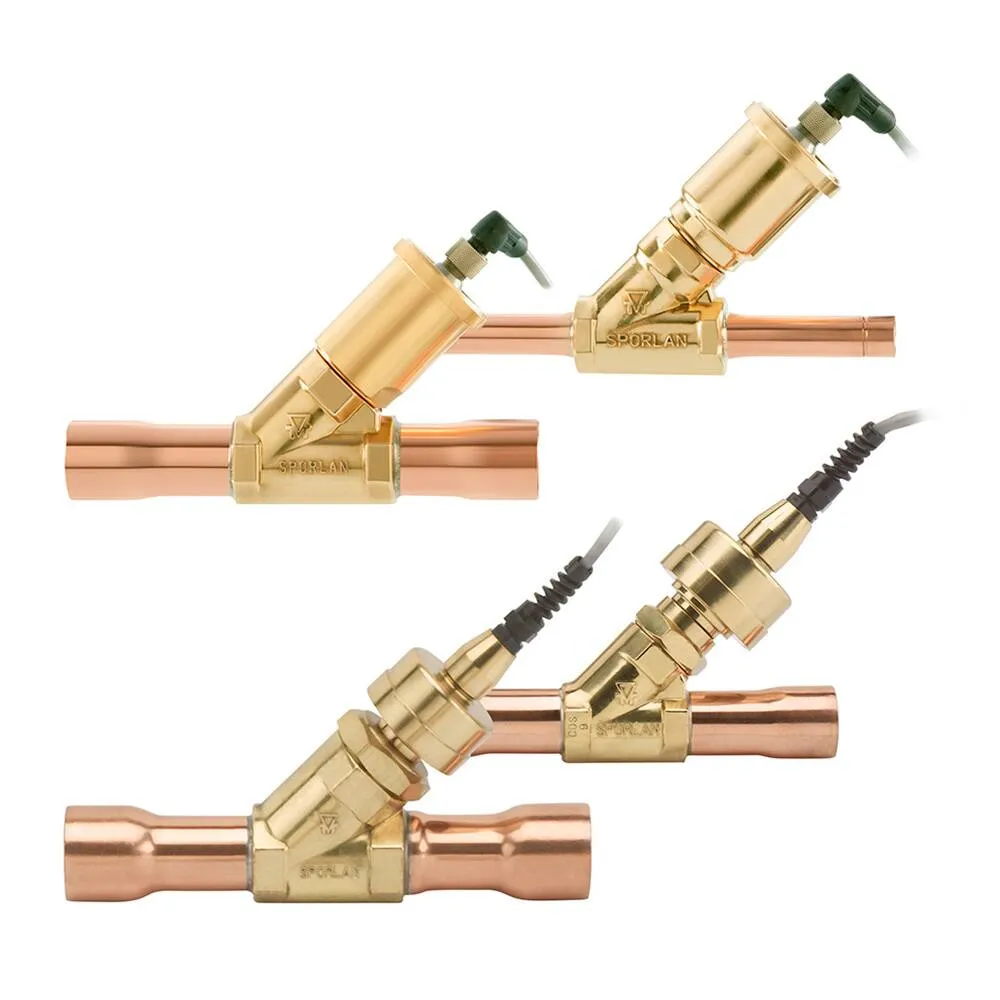
Angle valve for refrigeration
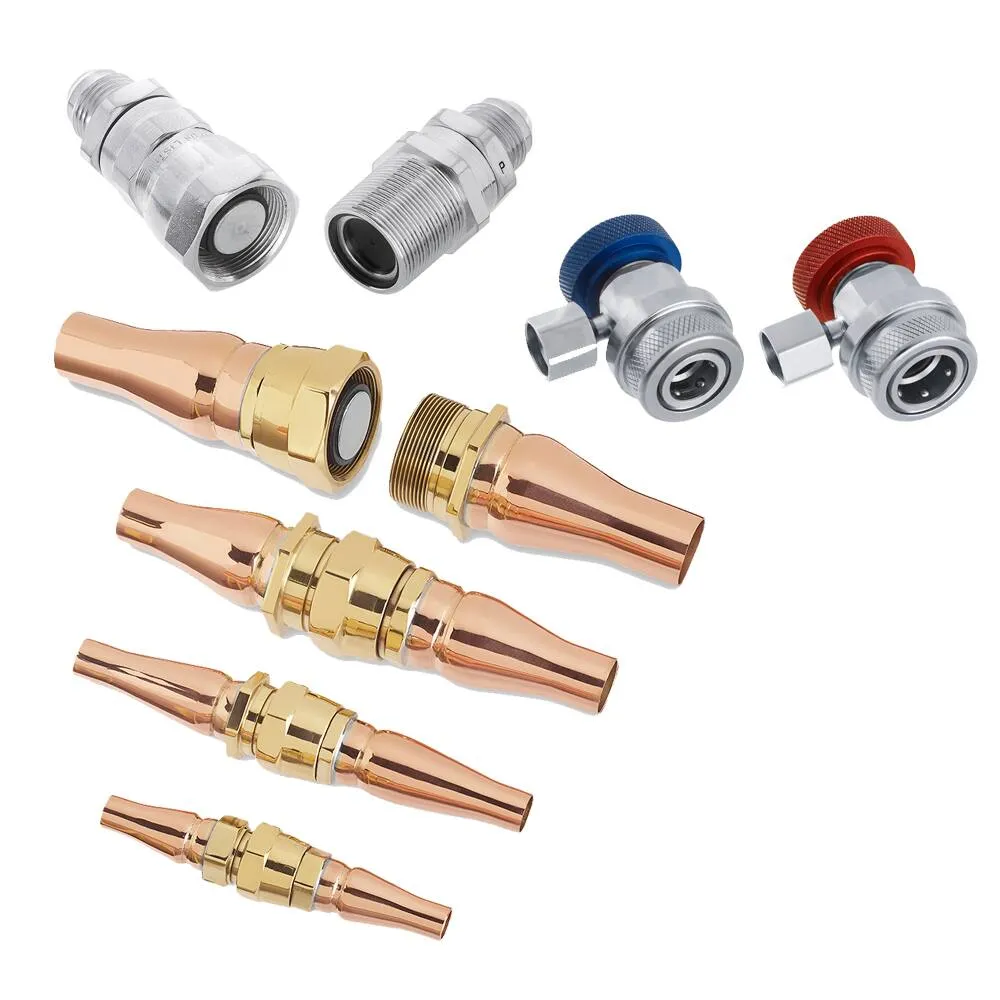
Connectors for Refrigeration
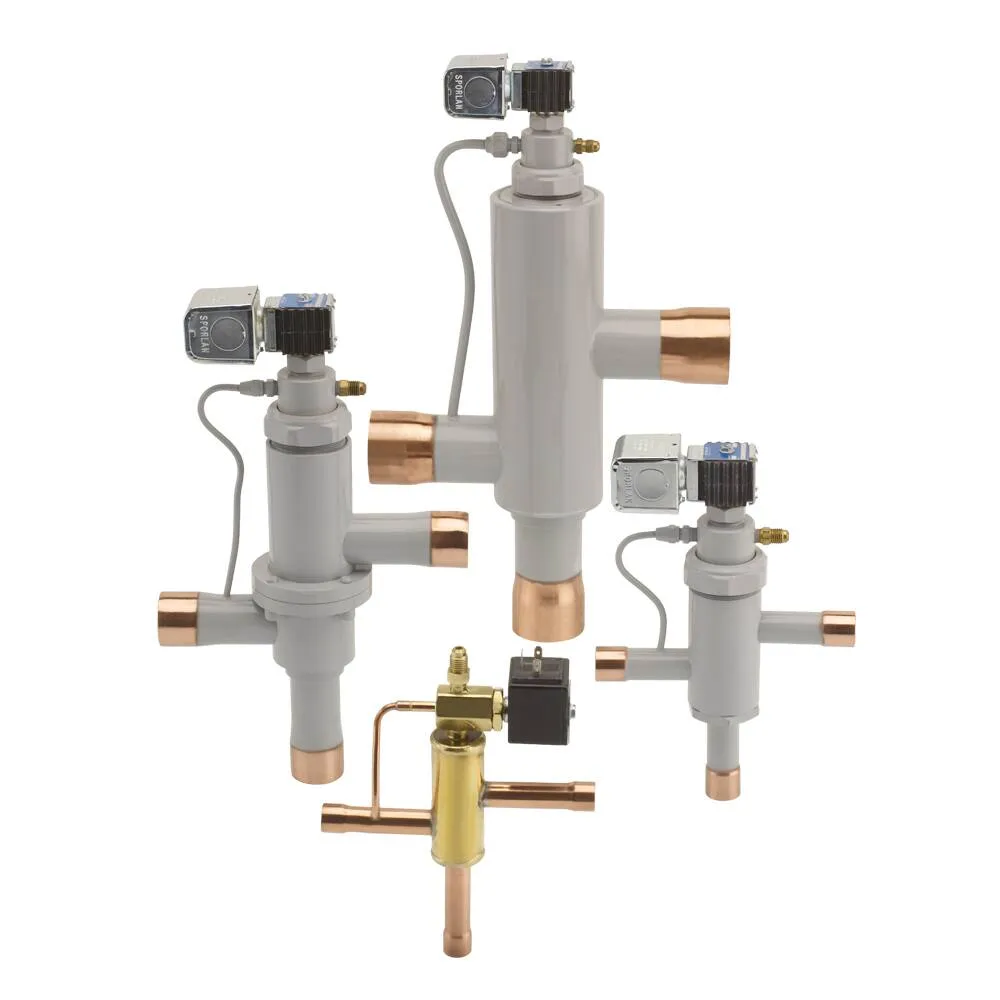
Valves for Refrigeration
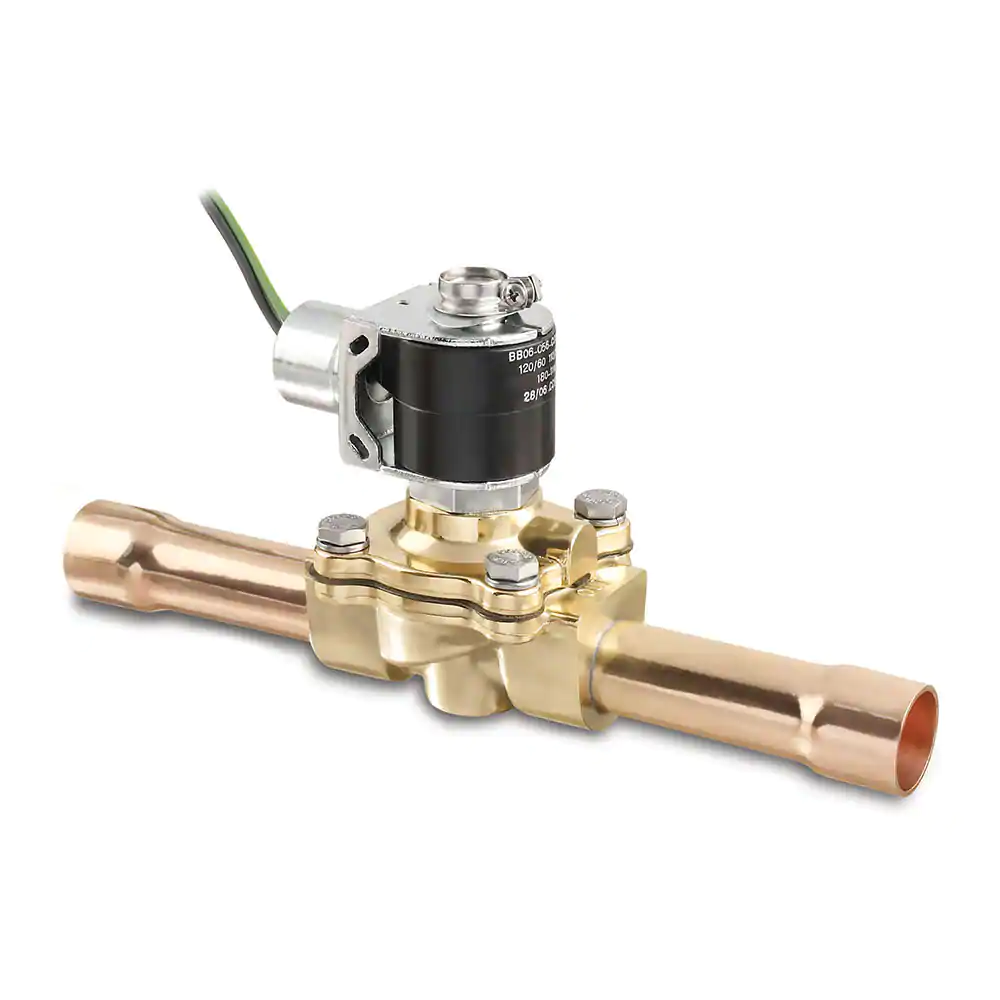
Solenoid Valve for Refrigeration
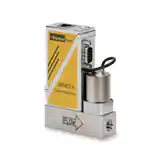
Flow Control Meter